
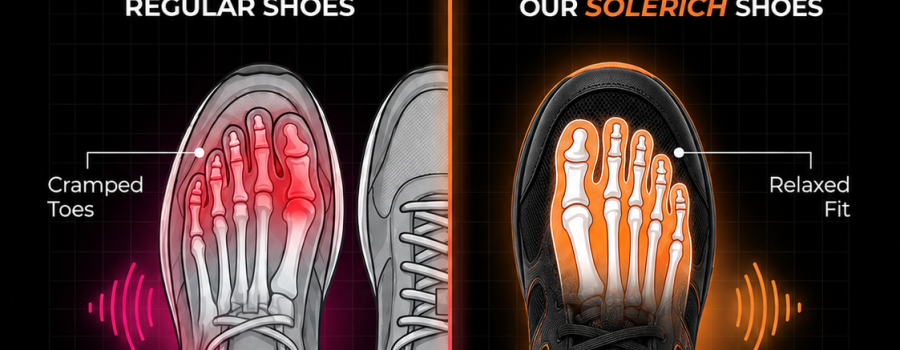
| Quick Answer The best sneakers for men and women in 2026 combine lightweight cushioning, breathable materials, and true all-day comfort with a design that moves easily from the gym to the street. Whether you’re shopping for running shoes, everyday sneakers, or a standout statement pair, prioritize proper arch support, a flexible sole, and a true-to-size fit. Comfort and craftsmanship should always come first. |
Finding the right pair of sneakers isn’t just about looks anymore; it’s about comfort, support, and versatility for everything from a morning run to a full day on your feet. Whether you’re searching for the best sneakers for women, durable shoes for men, or a reliable pair of running shoes, this guide breaks down exactly what to look for and why more shoppers are choosing SoleRich for their everyday footwear.
What Makes a Pair of Sneakers the “Best” Choice?
A great pair of sneakers checks five boxes at once: comfort, breathability, fit, durability, and style. Here’s what separates an average sneaker from one worth adding to your rotation:
- Cushioned support — foam or gel midsoles that absorb impact with every step
- Breathable uppers — mesh or knit materials that keep feet cool during long wear
- True-to-size fit — accurate sizing so you don’t deal with blisters or slipping heels
- Durable construction — soles and stitching that hold up to daily use, not just a season
- Versatile style — a design that works with joggers, jeans, or gym wear alike
Best Running Shoes: What to Look For Before You Buy
The best running shoes are built differently from everyday sneakers; they need extra shock absorption, arch support, and lightweight materials to handle repetitive impact. Before buying a pair of running shoes, check for a flexible forefoot, a cushioned heel strike zone, and breathable mesh paneling.
If you run on pavement, look for firmer cushioning built for consistent surfaces. If you’re on trails or uneven ground, prioritize a grippier outsole and added ankle support. Either way, running shoes should feel secure through the midfoot without pinching your toes.
Best Sneakers for Women: Comfort Meets Everyday Style
The best sneakers for women balance all-day comfort with a silhouette that pairs easily with everything from leggings to dresses. Popular styles right now include minimalist low-tops, chunky retro-inspired sneakers, and lightweight knit trainers designed for walking, travel, and casual wear.
When shopping for sneakers for women, pay close attention to arch support and width. Many women’s feet need a narrower heel fit with more room across the toe box for comfort during long wear.
Best Sneakers for Men: Built for Durability and Versatility
The best sneakers for men combine rugged durability with a clean, versatile look that transitions from the office to the weekend. Whether it’s a classic low-top, a bold high-top, or a performance trainer, sneakers for men should offer reinforced stitching, cushioned insoles, and a sole built to handle daily wear without breaking down.
Neutral colorways (black, white, and grey) offer the most versatility, while limited-edition colorways are ideal for anyone building a statement sneaker rotation.
Everyday Shoes for Men and Women: Beyond the Sneaker Aisle
Not every day calls for a sneaker but the same comfort principles apply to shoes for men and shoes for women across the board. Look for cushioned footbeds, breathable linings, and lightweight soles, whether you’re choosing a casual slip-on, a walking shoe, or a smarter everyday style.
How to Choose the Right Sneaker Size (and Avoid Returns)
- Measure your foot length and width at the end of the day, when feet are slightly swollen
- Check the brand’s specific size chart; sizing varies between labels
- Leave a thumb’s width of space between your longest toe and the front of the shoe
- If you’re between sizes, size up for running shoes and true-to-size for everyday sneakers
Why SoleRich Is the Better Choice for Your Next Pair
With so many sneaker brands competing for attention, here’s what sets SoleRich apart:
- Comfort-first design — our sneakers are engineered to mold to your foot from day one, so there’s no painful break-in period
- Craftsmanship you can feel—every pair is built with quality materials and reinforced stitching designed to last
- Style for everyone — curated collections for both men and women, from everyday essentials to limited-edition drops
- Direct, expert support — our sneaker specialists are available to help you find your perfect fit and pair
- A brand that moves with you — new drops, exclusive releases, and style inspiration for members who want to stay ahead
At SoleRich, we don’t just sell sneakers; we build shoes around how real feet move through a real day. That’s the difference between a shoe that just looks good and one that keeps up with you.
Frequently Asked Questions
What are the best sneakers for everyday wear?
The best everyday sneakers combine breathable materials, a cushioned footbed, and a true-to-size fit. Look for a flexible sole and lightweight design so the shoe feels comfortable whether you’re walking, standing, or on your feet for hours.
Are running shoes different from regular sneakers?
Yes. Running shoes are built with extra shock absorption and arch support to handle the repeated impact of running, while regular sneakers are designed more for everyday comfort and style rather than high-impact activity.
How do I choose sneakers that actually fit well?
Measure your feet at the end of the day, check the brand’s size chart, and leave a thumb’s width of space at the toe. If you’re between sizes, size up for running shoes and stick to true-to-size for casual sneakers.
What makes SoleRich sneakers different from other brands?
SoleRich sneakers are designed to mold to your foot from day one, removing the typical break-in discomfort. Combined with quality craftsmanship, curated men’s and women’s collections, and direct customer support, SoleRich is built around comfort and style that lasts.
Can the same sneakers work for both casual and athletic use?
Many sneakers are designed for light activity and everyday wear, but dedicated running or training shoes are recommended for high-impact workouts since they offer targeted support and cushioning that casual sneakers don’t.
How often should I replace my running shoes?
Most running shoes should be replaced every 300–500 miles, or roughly every 4–6 months for regular runners, once cushioning starts to compress and support decreases.
Ready to Find Your Perfect Pair?
Explore SoleRich’s full collection of men’s and women’s sneakers, built for comfort, made to last, and designed to help you walk rich and stay ahead.
Shop New Arrivals → https://solerich.com/